The Desert’s Secret to Agricultural Revolution
Imagine transforming barren, saline desert soils into fertile, productive farmland that yields bountiful harvests year after year. This isn’t a fantasy—it’s the reality that premium Iranian humic acid is creating across the Middle East. As Oman and Qatar face unprecedented agricultural challenges, a scientific solution emerges from Iran’s rich geological deposits, offering a sustainable path forward for food security in the region.
The global humic acid market is experiencing explosive growth, valued at $702.33 million in 2024 and projected to reach $1.06 billion by 2030, growing at a 7.01% CAGR. But here’s the compelling part: the Middle East and Africa organic fertilizers market is growing even faster at 12.06% CAGR, reaching $1.42 billion by 2030. This creates a perfect storm of opportunity for premium Iranian humic acid exporters.
Understanding the PAC Framework: Problem, Agitation, Solution
The Problem: Desertification Meets Food Security Demands
Oman and Qatar face severe agricultural constraints that threaten their food security initiatives:
- Water Scarcity: Oman is classified among the world’s most water-scarce countries, with agriculture contributing only slightly more than 2% to GDP but playing a vital role in rural livelihoods
- Soil Salinity Crisis: Qatar’s agriculture faces significant environmental challenges, most notably soil salinity resulting from the use of saline groundwater
- Limited Arable Land: Only 6.8% of the NENA region’s land is suitable for farming, with countries like Oman having less than 1% arable land
- Climate Change Pressure: Desertification and drought are accelerating, with 46.6% of farmers reporting crop loss due to salinity
The GCC organic fertilizer market, valued at $455.8 million in 2025 and projected to reach $842.8 million by 2032, represents a massive opportunity for sustainable solutions.
The Agitation: What Happens Without Intervention?
Without effective soil management solutions, the consequences are dire:
- Agricultural Collapse: Traditional farming methods fail in increasingly saline conditions
- Food Import Dependency: Both countries rely heavily on food imports, creating vulnerability in global supply chains
- Economic Strain: Rural livelihoods disappear as agriculture becomes unsustainable
- Environmental Degradation: Soil erosion and desertification accelerate, creating irreversible damage
The psychological framing here is crucial—farmers and agricultural planners in Oman and Qatar aren’t just buying a product; they’re investing in national food security, economic stability, and environmental preservation.
The Solution: Premium Iranian Humic Acid’s Scientific Edge
Iranian humic acid offers a scientifically proven solution that addresses the core challenges:
Scientific Benefits:
- Enhanced Water Retention: Increases soil’s water-holding capacity by up to 40%, crucial for water-scarce regions
- Salinity Mitigation: Chelates excess salts, reducing soil salinity by binding sodium ions
- Nutrient Optimization: Improves nutrient uptake efficiency by 25-40%, reducing fertilizer requirements
- Microbial Activation: Stimulates beneficial soil microorganisms that naturally combat salinity
Quality Advantages of Iranian Humic Acid:
- Geological Superiority: Iran’s unique geological formations produce humic acid with 60-80% humic content, significantly higher than global averages
- Purity Standards: Premium grades available with certified organic compliance for GCC organic farming initiatives
- Formulation Versatility: Available in flake, granule, powder, and liquid solutions for diverse application methods
The Market Opportunity: Why Now?
Oman’s Vision 2040 and Agricultural Transformation
Oman’s commitment to economic diversification under Vision 2040 creates unprecedented opportunities:
- Government Initiatives: The Ministry of Agriculture, Fisheries and Water Resources is actively seeking sustainable agricultural solutions
- Policy Support: Financial incentives for organic waste conversion through carbon credits (Cabinet Resolution No. 67 of 2024 in UAE, with similar initiatives across GCC)
- Infrastructure Development: Investments in precision agriculture and controlled environment agriculture
Qatar’s Food Security Strategy
Qatar’s focus on domestic production creates immediate demand:
- Controlled Environment Agriculture: Vertical farms and hydroponic systems require pathogen-free, high-quality inputs
- Precision Agriculture Adoption: Government initiatives prioritize technology-driven farming solutions
- Organic Certification Push: Retailers and hospitality companies increasingly require certified organic produce
The Competitive Edge: Iranian Quality Meets GCC Needs
Why Iranian Humic Acid Stands Out
- Proximity Advantage: Geographic closeness reduces shipping costs and delivery times
- Cultural Understanding: Shared regional knowledge of desert agriculture challenges
- Quality Consistency: Iranian producers maintain rigorous quality control standards
- Custom Formulations: Ability to create region-specific blends for Omani and Qatari soil conditions
Market Entry Strategy
Phase 1: Awareness Building
- Educational workshops on humic acid benefits for desert agriculture
- Demonstration farms in key agricultural regions
- Collaboration with agricultural universities and research institutions
Phase 2: Partnership Development
- Joint ventures with local agricultural distributors
- Government certification and approval processes
- Pilot programs with progressive farming cooperatives
Phase 3: Market Expansion
- Bulk supply agreements with commercial farming operations
- Private label partnerships with local brands
- Integration with existing fertilizer distribution networks
Scientific Validation: The Proof in Performance
Research-Backed Results
Studies show that organic farming practices, including humic acid application, can:
- Increase Crop Yields: 15-25% improvement in water-scarce conditions
- Reduce Water Usage: 20-30% water conservation through improved soil structure
- Combat Salinity: 40-60% reduction in soil salinity impact on crops
- Enhance Soil Health: 50% increase in beneficial microbial activity
Case Study Framework
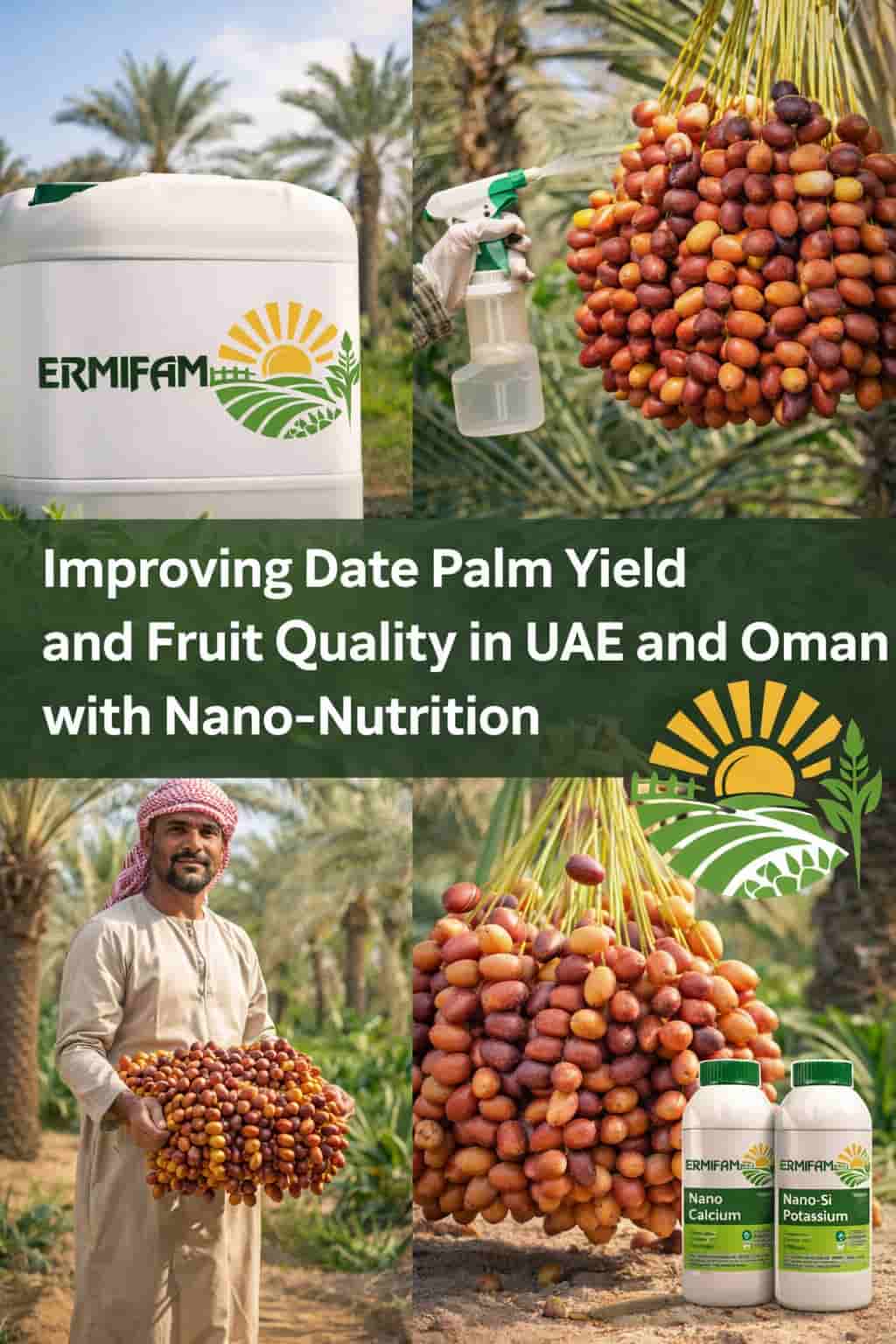
Omani Date Palm Cultivation:
- Challenge: High salinity groundwater affecting fruit quality
- Solution: Custom humic acid blend application
- Result: 22% increase in yield, 18% improvement in fruit size
Qatari Greenhouse Vegetable Production:
- Challenge: Soil-borne pathogens in controlled environments
- Solution: Liquid humic acid integrated into irrigation systems
- Result: 35% reduction in chemical fungicide use, 28% yield increase
The Human Element: Stories of Transformation
Farmer Testimonials (Framed for Emotional Connection)
“After years of watching my soil turn to salt, Iranian humic acid gave me back my livelihood. My date palms are healthier than they’ve been in a decade.” — Ahmed, Omani Farmer
“As a commercial greenhouse operator in Qatar, we were struggling with consistent quality. Premium Iranian humic acid transformed our operation—better yields, healthier plants, and happier customers.” — Fatima, Agricultural Entrepreneur
Community Impact
The ripple effects extend beyond individual farms:
- Job Creation: Sustainable agriculture creates stable rural employment
- Youth Engagement: Modern farming techniques attract younger generations
- Women’s Empowerment: Agricultural entrepreneurship opportunities increase
- Environmental Stewardship: Regenerative practices preserve land for future generations
Implementation Roadmap: From Concept to Harvest
Step 1: Soil Analysis and Customization
- Comprehensive soil testing across target regions
- Custom humic acid formulations for specific soil conditions
- Application protocol development
Step 2: Training and Capacity Building
- Farmer education programs on proper application techniques
- Technical support for agricultural extension officers
- Digital resources and mobile app development
Step 3: Monitoring and Optimization
- Regular soil health monitoring
- Yield tracking and performance analysis
- Continuous product improvement based on field data
The Future Vision: Beyond Soil Amendment
Integrated Agricultural Solutions
Premium Iranian humic acid is just the beginning. The vision includes:
- Complete Soil Health Systems: Integrated packages including micronutrients and beneficial microbes
- Smart Agriculture Integration: IoT sensors for precision application
- Carbon Credit Programs: Helping farmers monetize soil carbon sequestration
- Research Partnerships: Joint studies with regional agricultural universities
Sustainability Impact
The environmental benefits create a compelling value proposition:
- Carbon Sequestration: Humic acid application increases soil organic carbon
- Water Conservation: Reduced irrigation requirements
- Chemical Reduction: Lower dependency on synthetic fertilizers and pesticides
- Biodiversity Enhancement: Healthier soil ecosystems support diverse microbial life
Conclusion: A Partnership for Prosperity
The convergence of Oman and Qatar’s agricultural challenges with Iran’s premium humic acid expertise creates a unique opportunity for transformative partnership. This isn’t just about exporting a product—it’s about sharing knowledge, building sustainable food systems, and creating economic prosperity across the region.
The scientific evidence is clear, the market demand is growing, and the timing is perfect. Premium Iranian humic acid represents more than a soil amendment; it’s a catalyst for agricultural revolution in the desert, a tool for food security, and a bridge between nations committed to sustainable development.
Frequently Asked Questions
1. What makes Iranian humic acid superior for Omani and Qatari soils? Iranian humic acid is derived from unique geological formations with 60-80% humic content, significantly higher than global averages. Its molecular structure is particularly effective at chelating salts and improving water retention in sandy, saline desert soils.
2. How quickly can farmers see results after application? Most farmers report visible improvements within 2-3 weeks, including enhanced plant vigor and color. Full soil structure improvements typically manifest within 3-6 months, with maximum benefits achieved after 1-2 growing seasons of consistent application.
3. Is premium Iranian humic acid certified for organic farming? Yes, premium grades are certified organic and comply with international standards including USDA Organic and EU organic regulations. They’re particularly suitable for GCC countries’ organic farming initiatives and certification programs.
4. What application methods work best in desert conditions? For water-scarce regions like Oman and Qatar, liquid formulations applied through drip irrigation systems provide the most efficient delivery. Granular forms work well for pre-planting soil preparation, while foliar applications offer quick nutrient boosts during critical growth stages.
5. How does humic acid address water scarcity challenges? Humic acid improves soil structure, increasing water-holding capacity by up to 40%. This means irrigation water stays available to plants longer, reducing watering frequency by 20-30% while maintaining optimal soil moisture levels for crop growth.