Summary:
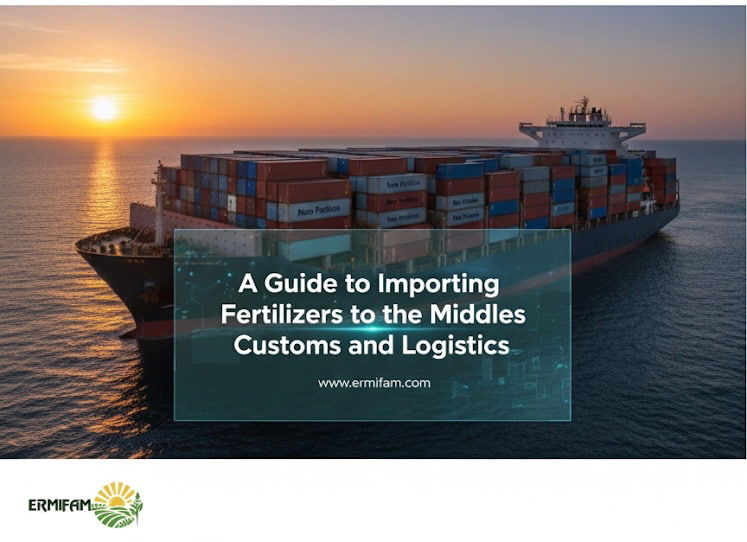
This comprehensive guide explores the intricacies of importing fertilizers to the Middle East, covering customs regulations, logistics strategies, and real-world solutions. Drawing on scientific insights into fertilizer types and regional agriculture.
Imagine standing in the vast deserts of Saudi Arabia, where innovative farming techniques turn arid land into fertile oases, all powered by the right fertilizers. But what if a single customs hiccup delays your shipment, costing your business thousands and letting competitors swoop in? That’s the high-stakes world of importing fertilizers to the Middle East—a region booming with agricultural demand due to population growth and food security initiatives. In 2025, the Middle East fertilizer market is projected to grow at over 5% annually, driven by countries like the UAE and Saudi Arabia investing in sustainable farming. Yet, navigating customs and logistics here isn’t just about moving goods; it’s about mastering a maze of regulations that can make or break your export strategy.
Let’s start with the basics: Fertilizers are chemical or organic compounds that enhance soil fertility, supplying essential nutrients like nitrogen (N), phosphorus (P), and potassium (K)—often abbreviated as NPK. In the Middle East, where water scarcity and soil degradation are rampant, imports of nitrogenous fertilizers (HS code 3102) and complex blends (3105) are vital for crops like dates, wheat, and vegetables. Scientifically, these nutrients boost plant growth by aiding photosynthesis and root development, but improper handling can lead to environmental issues like eutrophication. For importers, understanding this isn’t just academic—it’s key to compliance.
The Problem phase highlights the core challenges. Importing fertilizers involves dealing with diverse regulations across countries. In the UAE, you need a trade license from the Department of Economic Development (DED) and documents like commercial invoices, certificates of origin, and packing lists. Saudi Arabia demands approval certificates from bodies like the Saudi Food and Drug Authority (SFDA) for quality and safety, ensuring low heavy metal content to protect the environment. Qatar and Oman follow GCC unified tariffs, typically 5% on fertilizers, but with strict labeling in Arabic. Hazardous fertilizers, like ammonium nitrate, fall under IMDG Code for shipping, requiring special segregation to avoid risks like corrosion or coagulation from humidity.
Logistics add another layer: Bulk shipments via sea from exporters in China or Russia must account for weather—rain can cause compaction in urea, reducing efficacy. Air freight is faster but costlier for urgent needs. Cognitive load comes into play here; overwhelming paperwork can paralyze decisions, so framing it simply: Start with HS code audits to classify correctly and avoid tariff surprises.
Agitating the Hidden Risks in Fertilizer Imports
Now, let’s agitate these problems to show why ignoring them hurts. Delays from incomplete documents aren’t just annoying—they can lead to demurrage fees piling up at ports like Jebel Ali in Dubai, eating into your wallet. Imagine a shipment rejected in Saudi Arabia due to non-compliant packaging; not only do you face return costs, but your reputation suffers in a B2B market where trust is currency. Scientifically, fertilizers like potash (HS 3104) can corrode ship holds if wet, leading to safety hazards and insurance claims. In the Middle East’s hot climate, improper storage risks coagulation, turning your product into unusable lumps and wasting resources.
Framing psychology helps here: View non-compliance not as a minor slip but as a threat to your business’s ego—your status as a reliable supplier. Versus your wallet: Fines for environmental violations in Qatar could reach thousands, while correct compliance saves 10-20% on duties through free trade agreements. The pratfall effect applies too; even top exporters admit occasional missteps, like a forgotten certificate, making them more relatable and trustworthy. But repeated errors? They agitate supply chains, disrupting the sales funnel from awareness to action.
Economic agitation is real: With GCC’s 12-digit HS system update in 2025, misclassification could hike tariffs from 5% to higher rates, squeezing margins in a competitive market. Case in point: A U.S. exporter reclassified NPK blends under new subheadings, slashing duties by 18%—but without agility, others face losses. Logistics bottlenecks, like customs inspections for origin verification, can delay deliveries by weeks, aggravating food security goals in regions like Egypt, where fertilizers support sustainable agriculture.
B2B selling thrives on relationships, yet agitation from cultural missteps—like ignoring Halal-adjacent certifications for organic fertilizers—can alienate partners. Ego vs. wallet: Investing in expertise boosts your brand’s prestige while cutting long-term costs.
Solutions: Closing the Deal with Smart Strategies
Moving to the Close in PAC, let’s solve these with actionable steps. Partner with professional logistics firms experienced in Middle East imports—they handle everything from documentation to clearance, reducing cognitive load. For UAE, secure your DED license and use digital platforms like dubaitrade.ae for seamless submissions. In Saudi, obtain SFDA approvals early, backed by third-party lab tests for composition and safety.
Scientifically informed logistics: Use anti-caking agents in packaging to prevent humidity issues, and opt for flexible bulk containers for efficiency. Frame positively: Proper planning turns risks into opportunities, like qualifying for duty reductions on eco-friendly fertilizers under EU-GCC ties.
B2B tip: Build ego by positioning your imports as premium, sustainable solutions that elevate partners’ operations, while wallet benefits come from optimized routes—e.g., shipping from Morocco for phosphates to cut transit times.
Implement HS audits quarterly; tools like FreightAmigo can verify codes digitally. For hazardous types, comply with IMDG by segregating loads and using weather-proof methods.
Case Study: Successful Fertilizer Import to Saudi Arabia
To humanize this, consider a real-inspired case study. In 2024, a European exporter faced agitation when their urea shipment was detained in Jeddah due to missing environmental compliance docs. Problems included heavy metal exceedances and incomplete MSDS. Agitating further, delays cost €50,000 in fees and lost contracts.
Closing the gap: They partnered with a local agent for SFDA certification, reformulated with lower residues (scientifically verified via lab analysis), and used professional freight forwarders for accurate paperwork. Result? Clearance in days, 15% cost savings, and a long-term B2B deal. Pratfall: The exporter openly shared the initial flop in client meetings, building trust per the effect.
This frames success: From problem to profit, emphasizing sales funnel progression.
Optimizing Logistics for Middle East Fertilizer Trade
Logistics closes the loop. Choose sea for bulk—ports like Dubai handle millions of tons annually. Track with IoT for real-time humidity control, preventing scientific issues like nutrient degradation.
B2B selling: Offer bundled services, appealing to ego with customized plans and wallet with volume discounts. Reduce cognitive load with step-by-step checklists: 1) Classify HS, 2) Gather docs, 3) Secure permits, 4) Ship compliant.
In Oman and Bahrain, leverage low tariffs (0-5%) for U.S. goods under FTAs. Qatar’s high bureaucracy? Counter with electronic submissions.
Environmental framing: Position your imports as green, aligning with Middle East sustainability drives.
Overcoming Common Pitfalls in Customs Compliance
Avoid pitfalls like underestimating taxes—GCC’s 5% base can rise for non-exempts. Agitate: Ignorance leads to audits; close with proactive rulings from customs.
Scientific angle: Understand fertilizer stability—phosphates (HS 3103) need dry conditions to maintain efficacy against soil acidity in arid zones.
Ego boost: Be the expert importer who navigates effortlessly, saving partners time and money.
Future Trends and Final Tips for Importers
Looking ahead, 2025’s eco-subheadings favor sustainable fertilizers, reducing duties. Close strong: Invest in training to lower cognitive load, frame positively as growth opportunities.
In B2B, use pratfall by admitting “We’ve all had a shipment snag, but here’s how we fixed it forever.” Wallet wins with efficient logistics cutting 20% overheads.
Frequently Asked Questions (FAQs)
- What documents are essential for importing fertilizers to the UAE? Key docs include commercial invoice, certificate of origin, packing list, and import permit. Attest via UAE MOFA.
- Are there special regulations for hazardous fertilizers in Saudi Arabia? Yes, obtain SFDA approvals and comply with IMDG Code for safety and environmental standards.
- How can I reduce tariffs on fertilizer imports to the GCC? Use accurate HS classifications, especially new eco-subheadings, and leverage FTAs for reductions.
- What logistics challenges arise in Middle East fertilizer shipping? Humidity causing coagulation; mitigate with anti-caking and weather-proof packaging.
- Why partner with a logistics expert for B2B imports? They handle compliance, cut costs, and ensure timely delivery, boosting your business reliability.