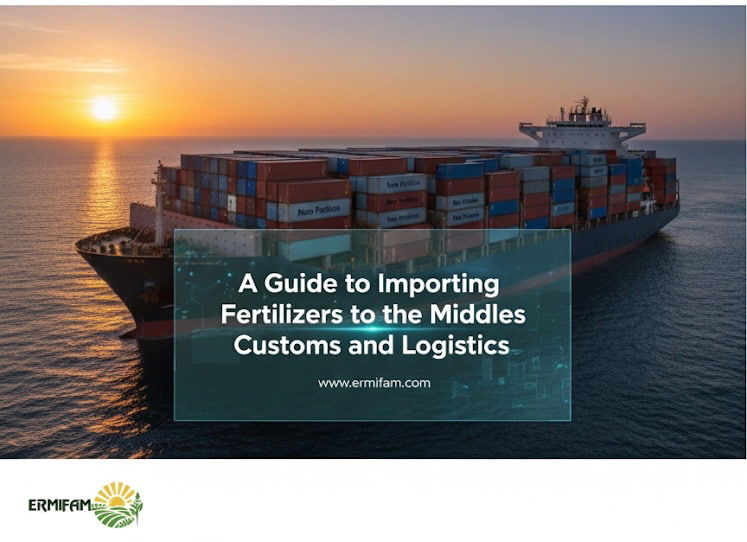
Bulk export of chicken manure by sea involves a detailed, step-by-step process to ensure product quality and safety. Discover how we optimize shipping from farm to port with expert care and scientific precision.
Summary
Bulk export of chicken manure by sea is a complex yet crucial process that enables sustainable and efficient agricultural waste management on a global scale. In this article, we break down the process of bulk exporting chicken manure, illustrating the key stages and best practices to ensure quality, safety, and timely delivery. With practical insights into packaging, transportation, and logistics, we make the bulk export process clear, approachable, and scientifically grounded.
Introduction: Why Bulk Export of Chicken Manure Matters
Imagine turning what would normally be considered waste into a valuable resource that nourishes the earth around the world. Chicken manure, rich in nutrients like nitrogen, phosphorus, and potassium, is a sought-after organic fertilizer that promotes healthier crops and sustainable farming. But how does this material travel across oceans in bulk form without losing its value or compromising environmental safety?
This article dives into the process of shipping chicken manure by sea, unraveling the science and logistics behind bulk export. Whether you’re a farmer, distributor, or environmental enthusiast, understanding this process will give you confidence in managing and supporting sustainable agricultural supply chains
What is Bulk Export of Chicken Manure and Why is it Important?
Bulk export refers to the transportation of large quantities of a product—in this case, chicken manure—without packaging the material in individual units. Instead, the manure is consolidated, loaded, and shipped in large volumes, often in bulk carriers or specialized containers.
Problem
Chicken manure, if improperly handled, can emit harmful odors, attract pests, and lead to nutrient loss or contamination.
Imagine your export shipment arriving spoiled, unusable, or delayed because of poor handling or insufficient knowledge of shipping requirements. This can result in financial loss, environmental harm, and unhappy customers.
Solution
Our proven bulk export process incorporates scientific handling standards, odor control technology, and meticulous logistics planning that guarantee manure arrives at its destination fresh, nutrient-rich, and ready to be applied.
Scientific Foundations: Nutrient Profile and Quality Control
Chicken manure contains key macro-nutrients essential for plant growth, including:
- Nitrogen (N) – promotes leaf and stem growth
- Phosphorus (P) – supports root development and flowering
- Potassium (K) – enhances overall plant health and disease resistance
To maintain the manure’s nutrient integrity during export, quality control is crucial. This means:
- Testing samples for nutrient concentration and contaminants
- Ensuring moisture content is optimal (generally 30-50%) to avoid spoilage or excessive dust
- Screening for pathogens to comply with international biosecurity standards
By applying scientific testing and verification, we ensure the manure’s value as a fertilizer remains high throughout transit.
Packaging and Preparation: How We Ready Chicken Manure for Sea Transport
Proper packaging for bulk export tackles several challenges:
- Minimizing moisture to prevent odor and microbial growth
- Containment to avoid dust or leakage during handling
- Facilitating easy loading and unloading at ports
Our process includes drying and conditioning the manure, often pelletizing it for density and cleanliness, then loading it into breathable bulk bags or specialized containers designed for agricultural bulk materials.
This preparation not only protects product quality but also meets international shipping protocols for agricultural exports.
Logistics and Shipping: From Farm to Sea
The journey of chicken manure export begins at the farm and ends at the importing country’s port. Key logistics steps include:
- Collection and Aggregation:Consolidating manure from multiple farms for consistent bulk shipment
- Transport to Port: Using covered trucks to prevent environmental contamination and nutrient loss
- Loading into Vessels: Specialized bulk carriers or container ships loaded under strict supervision to prevent moisture ingress and product shifting during the voyage
By coordinating these logistics smoothly, we optimize transfer times, reduce costs, and ensure the manure reaches its destination in prime condition.
Environmental and Regulatory Considerations in Bulk Export
Exporting organic fertilizers like chicken manure must meet environmental laws and biosecurity regulations to protect ecosystems and human health.
We strictly follow:
- International phytosanitary standards to avoid pest and pathogen spread
- Environmental guidelines to minimize pollution and carbon footprint
- Packaging and labeling norms to provide transparency and traceability
Our compliance with these standards not only safeguards the environment but also builds trust with overseas partners and regulatory bodies.
Challenges in Bulk Export and How We Overcome Them
Shipping organic material by sea poses unique challenges such as:
- Moisture control to prevent anaerobic decomposition causing odors or toxic gases
- Pest infestations during loading and transit
- Customs delays due to documentation errors or regulation changes
We tackle these by:
- Using moisture sensors and aeration techniques on bulk shipments
- Integrated pest management at all stages
- Comprehensive export documentation prepared well in advance
This proactive problem-solving ensures smooth, reliable export cycles.
Customer Satisfaction: Delivering Quality and Reliability
Our commitment to customer satisfaction drives everything in our export process. We:
- Provide detailed shipment tracking and updates
- Offer expert guidance on manure usage and handling post-delivery
- Engage in continuous quality improvement based on customer feedback
This results in long-term partnerships and thriving agricultural practices in all markets we serve.
Frequently Asked Questions (FAQ)
Q1: Is chicken manure safe to ship internationally?
Yes, when properly treated and tested, chicken manure is safe and compliant with international export regulations.
Q2: How do you manage odor during shipment?
We control moisture and use biofilters or chemical treatments to minimize odor emissions during transport.
Q3: What volume qualifies as bulk export?
Generally, bulk shipments exceed several tons and are loaded directly into carriers or containers without individual packaging.
Q4: How long does sea shipment take?
Transit times vary by route but typically range from 2 to 6 weeks depending on the destination port.
Q5: Can chicken manure be pelletized for export?
Yes, pelletizing enhances density, reduces dust, and improves handling, making it ideal for bulk shipments.
Conclusion: Why Choose Our Bulk Export Process?
Bulk exporting chicken manure by sea is more than just a trade—it’s a science-backed journey driven by care, precision, and commitment to sustainability. By leveraging stringent quality controls, innovative packaging, and expert logistics, we ensure the manure arrives fresh, potent, and ready to enrich farmland worldwide. Trust us for a transparent, reliable export experience designed to support greener agriculture and global food security